
How the 3rd West Nile Agribusiness and Renewable Energy Expo 2026 opened doors of hope, knowledge, and opportunity for young women across Northern Uganda.
In the heart of Northern Uganda, a new generation of young women is rewriting the story of rural agriculture not as mere labourers, but as confident entrepreneurs. From facing limited market access, inadequate information, and traditional barriers, determined young women have embraced agribusiness as a pathway to access capital and drive community transformation.
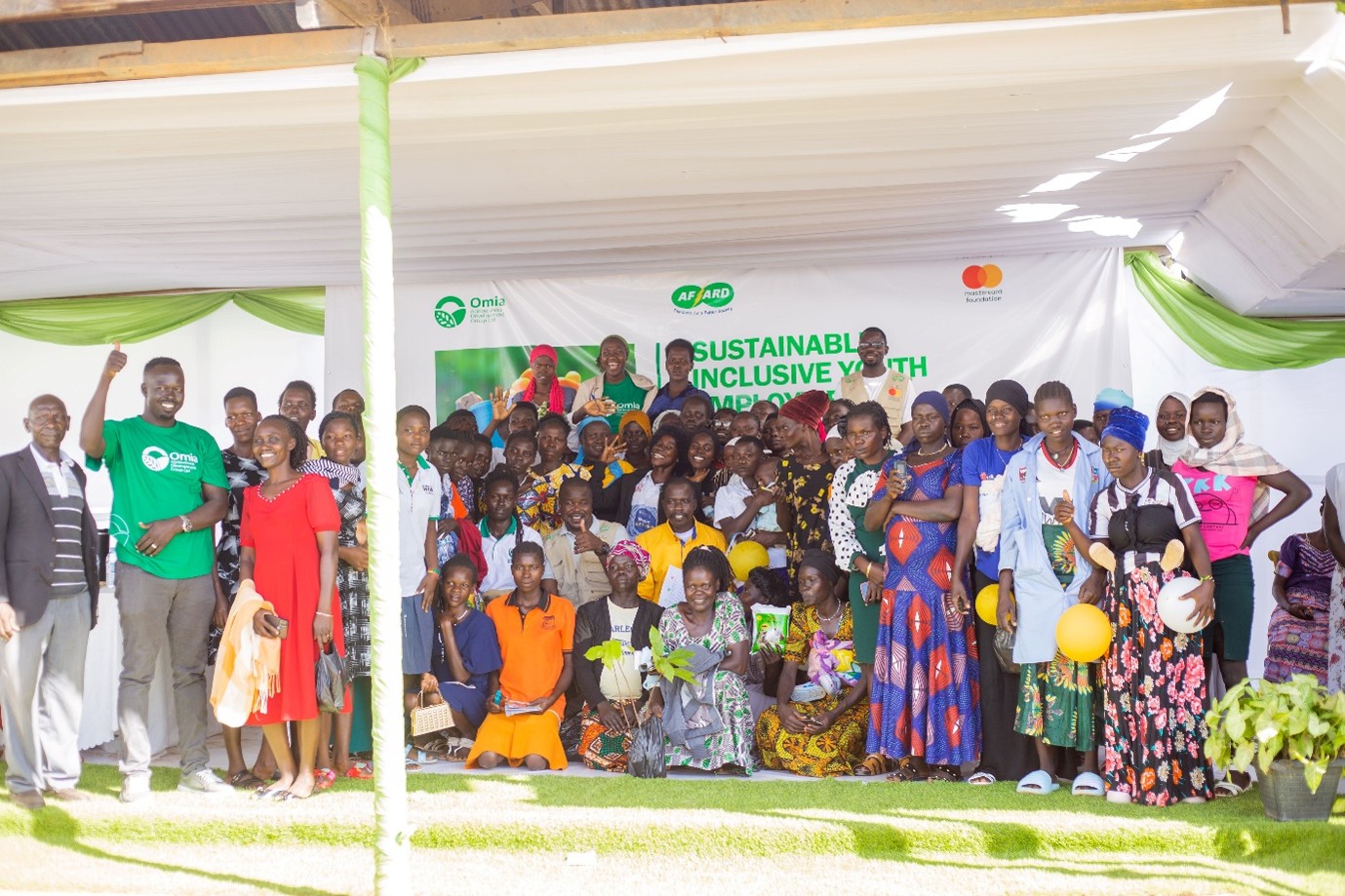
Their transformation journey reached a turning point on March 26th–28th, 2026 at the West Nile Agribusiness and Renewable Energy Expo 2026, organized by Omia Agribusiness Development Group Limited in partnership with the Mastercard Foundation and the Agency for Accelerated Regional Development (AFARD) — where knowledge met opportunity.
The Expo served as a vibrant marketplace of ideas and connections, bringing together young women with off-takers, agro-input manufacturers, suppliers, industry players, academia, and research institutions. Guided tours of exhibition stalls offered hands-on demonstrations, fostering practical skills and experience. Targeted training sessions on vegetable, poultry, maize, and soybean production, post-harvest handling, value addition, and innovative solutions such as affordable irrigation gave participants a real understanding of exact market requirements for crops and animal production.
Over the three days, 164 young women came together to learn ; 53 from Yumbe, 32 from Adjumani, 32 from Obongi, 25 from Nwoya, and 20 supported through AFARD, alongside 22 childcare takers who made their participation possible. In total, more than 2,185 smallholder farmers (50% women, 20% young women) took part in the Expo and received training.
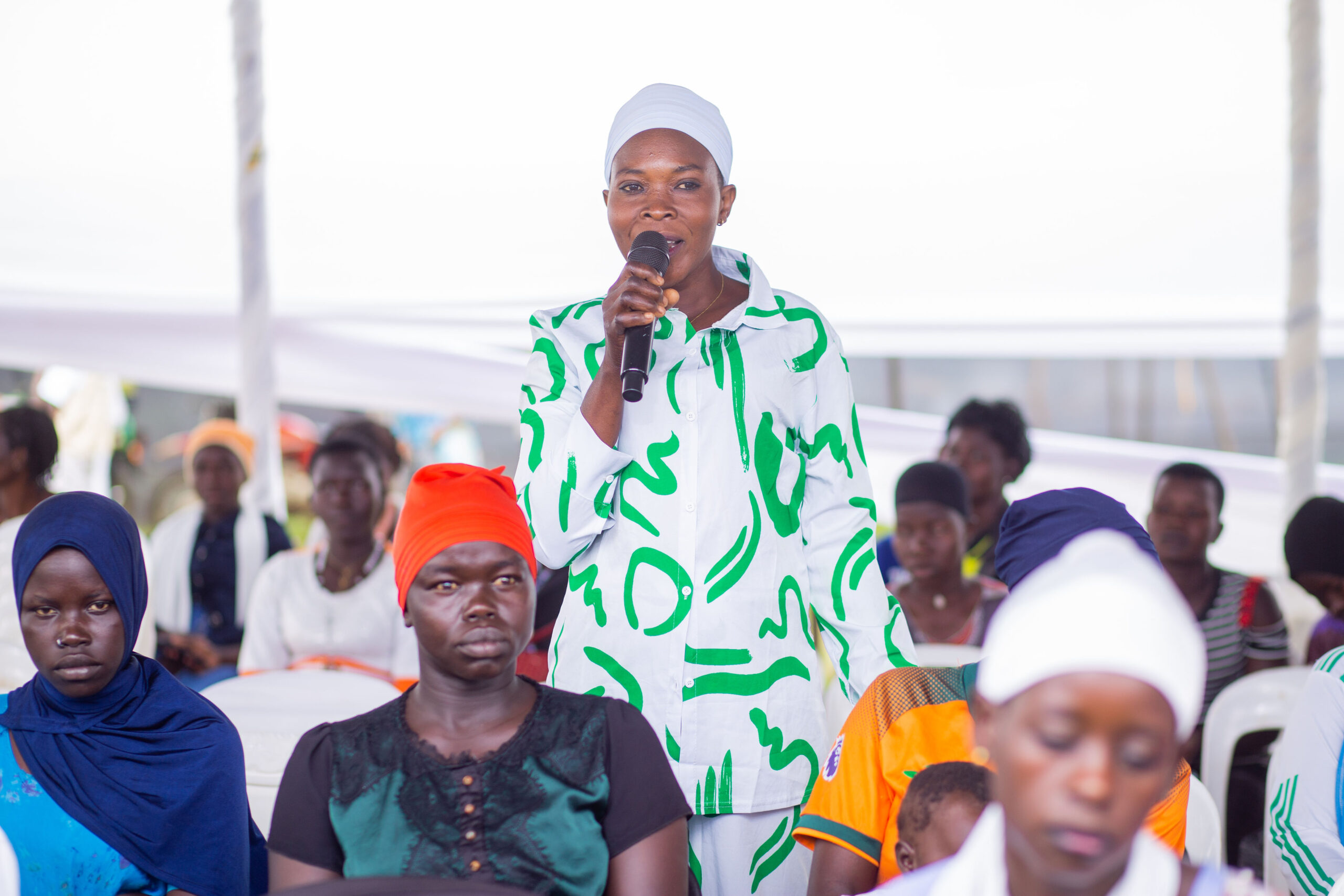
For the young women, the Expo was not just an event, it was a door to new hope. Through their own accounts, two of them shared just how much it changed the way they see their work.
 Pima Farmers Group
Lok-Oroma Gloria
📍 Nwoya District, Northern Uganda
Gloria travelled from Nwoya District as one of 25 young women representing her area at the Expo. Like many of her peers, she came with limited exposure to modern farming techniques and few connections beyond her local market. Over the three days, she moved through exhibition stalls and training sessions covering poultry rearing and vegetable production, paying close attention to methods she had never seen before — including growing vegetables in repurposed bottles, a low-cost technique well suited to the limited land many young women in her group work with.
For Gloria, the value of the Expo was not just in what she learned, but in what she now plans to do with it. She sees herself not only applying these new methods on her own plot, but carrying them back to the Pima Farmers Group so the whole group benefits.
I am grateful to Omia Agribusiness for bringing us here to learn many things about agribusiness. I have learnt about poultry farming and vegetable farming using bottles, which knowledge I will cascade to my group members.
 United and Peace Farmers Group/span>
Drichiru Zulieka
📍 Yumbe District, Northern Uganda
Zulieka was one of 53 young women who travelled from Yumbe District, the largest single group at the Expo. Among the techniques that stood out most to her was the idea that crops could be successfully planted in pots — a method that opens up farming possibilities even where open land is scarce or contested.
What stayed with Zulieka most was not just the technique itself, but how clearly she could see herself replicating it back home. She left the Expo with a specific plan: apply the new methodology on her own farm exactly as it was demonstrated, then bring the United and Peace Farmers Group into the process so the benefits are shared rather than kept to herself.
We also learned that crops can be planted in pots. When I get back home, I will replicate the training and incorporate the new methodology into my farming, just as it was taught to me. I also plan to share everything we learned with the other group members so that we can apply it together and bring development to our group.
 Urinji B Young Women Group
Urinji B Young Women Group
📍 Urinji Village, Lodongo Sub-County, Yumbe District
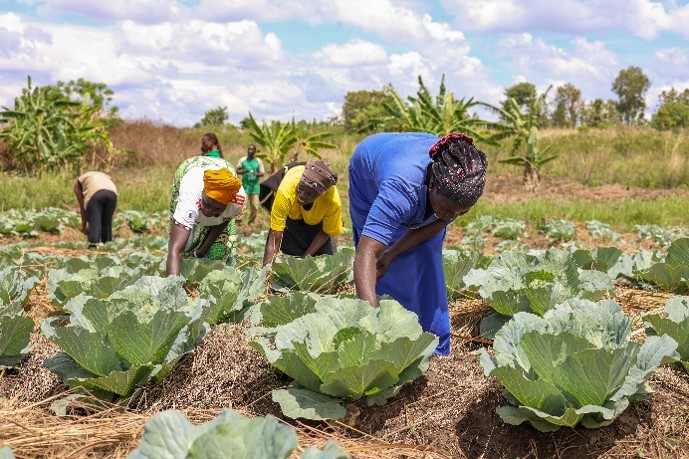
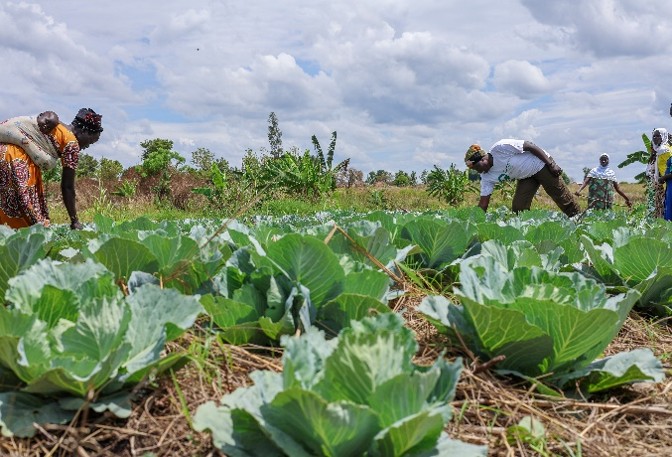
In mid-2025, a group of determined young women in Urinji Village united to form the Urinji B Young Women Group, motivated by a shared desire to break free from cycles of poverty and subsistence farming. With guidance from Field Extension Officers, the group went through a structured enterprise selection process and identified cabbage production as a promising enterprise with strong market potential and nutritional value.
Before the SIYEP Programme intervention, the group struggled with limited technical knowledge that often led to failed or rotted crops, financial losses, and food insecurity. Many members had relied on unpredictable traditional field crops such as cassava and beans, which offered little income and kept them in survival mode. The intervention changed that trajectory through hands-on training covering the full production process from land preparation and nursery bed management to pest control, harvesting, and marketing.
On just a quarter-acre demonstration garden, the group generated UGX 1.5 million, their first major success in commercial horticulture. The achievement has sparked both collective and individual momentum: the group is now planning to scale up into larger cabbage and onion production, while several members have started personal enterprises, with two already purchasing cabbage seeds to replicate the model on their own land.
I used to focus on field crops that repeatedly brought losses. The SIYEP training opened my eyes to the potential of horticulture. With regular monitoring by extension officers and the skills I’ve gained, I am optimistic and dream of expanding to large-scale production that can support my family and inspire others.
— Maliko Shamira, Group Member
The knowledge from this demonstration garden goes beyond farming techniques, it is empowerment. We are now farming as a business, ensuring food sustainability for our households and contributing to the community’s resilience.
— Abiria Sherifa, Group Chairperson
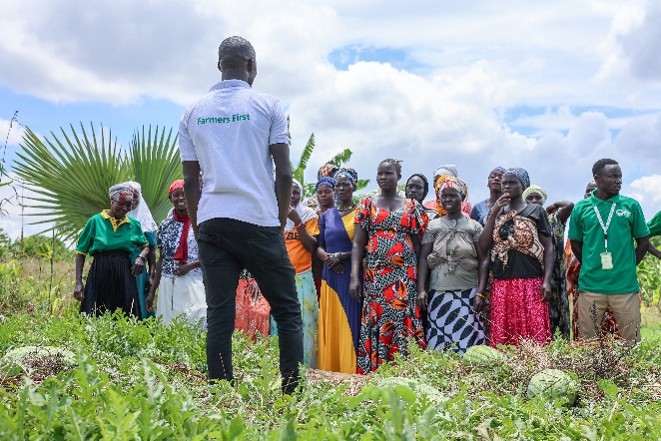
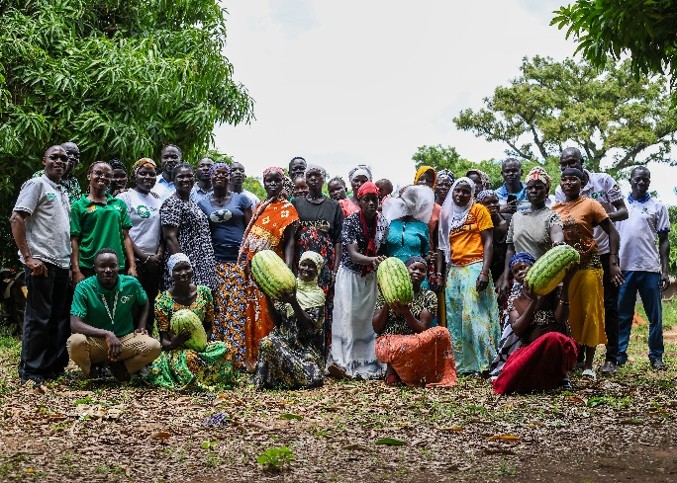 Umaruku Young Women Group watermelon productiono
Umaruku Young Women Group
📍 Umaruku Village, Lodonga Sub-County, Yumbe District
In Umaruku Village, the story of empowerment began when the Local Council Chairperson (LC1) convened a meeting for young women aged 15–32, including refugees and persons living with disabilities. Those who showed commitment were profiled and guided through a participatory enterprise selection process, and the group chose watermelon production — though not without hesitation. Years of traditional subsistence farming with little exposure to high-value crops had left members doubting whether watermelon could be commercially viable.
Through consistent technical guidance and practical training from Field Extension Officers, covering everything from land preparation to harvesting and marketing, that doubt gave way to results. On just a quarter-acre plot, Umaruku Young Women achieved remarkable yields, generating UGX 2,460,000.
That income has fuelled ambitious plans: the group has ploughed a full acre for watermelon and tomato production and opened a savings account to manage finances and provide small loans to members, promoting financial inclusion. Two members have already invested in personal production by purchasing inputs for watermelon and cabbage, extending the impact from the group to individual households.
We started with doubt, but today we are confident entrepreneurs. The SIYEP programme has shown us that young women, including refugees and those with disabilities, can lead and cause a change in the community.
— Halima Fikira, Group Chairperson
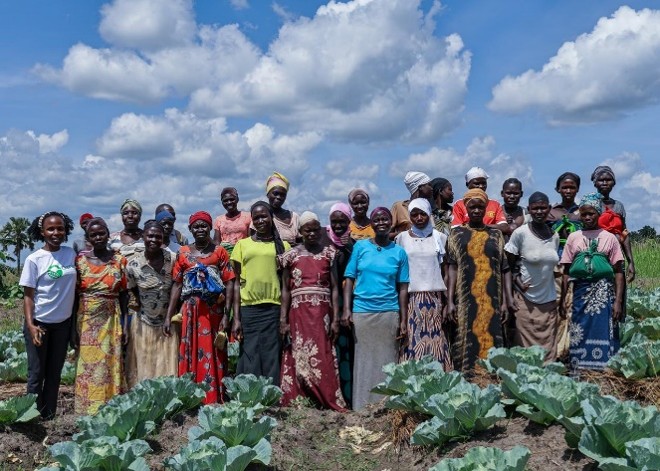
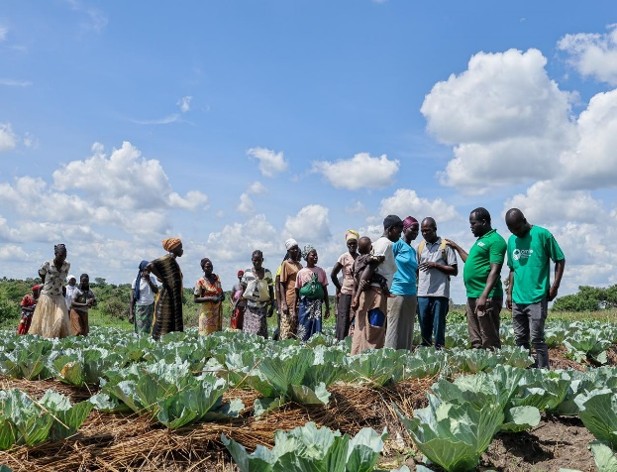 Asibazuyo Farmers Group photo
Asibazuyo Farmers Group
📍 Oraba Village, Kei Sub-County
Driven by a desire to acquire new knowledge and venture into farming as a business, the women of Oraba Village joined hands to form the Asibazuyo Farmers Group after being identified and mobilized by their Local Council Chairperson (LC1). With guidance from Omia under the Sustainable Inclusive Youth Employment Pathways (SIYEP) Programme, in partnership with the Mastercard Foundation and AFARD, the group was profiled and guided through an enterprise selection process that led them to cabbage production — a way to maximize the value of even small pieces of land.
Their first planting germinated well, and encouraged by that early success, the group transplanted seedlings onto an initial quarter-acre, then opened a second quarter-acre when they found they had surplus seedlings in the nursery bed. Despite facing a pest infestation along the way, the group showed remarkable resilience in nurturing their crops through to harvest.
Across the two quarter-acre plots, the group expects to earn at least UGX 1,000,000 from their cabbage harvest, and they are already planning to expand production onto one or more acres by venturing into maize and watermelon. For most members, who had never grown vegetables before due to a reliance on traditional field crops like beans, cassava, and maize, the experience has brought a new sense of confidence and a sustainable path to improving their families’ livelihoods.
Asibazuyo Farmers Group is determined to become a model of women’s empowerment in their community, and members are committed to sharing the skills they’ve gained with other women not yet part of the group.
 Pamule Farmers Group
Pamule Farmers Group
📍 In Midigo Sub-County, Yumbe District
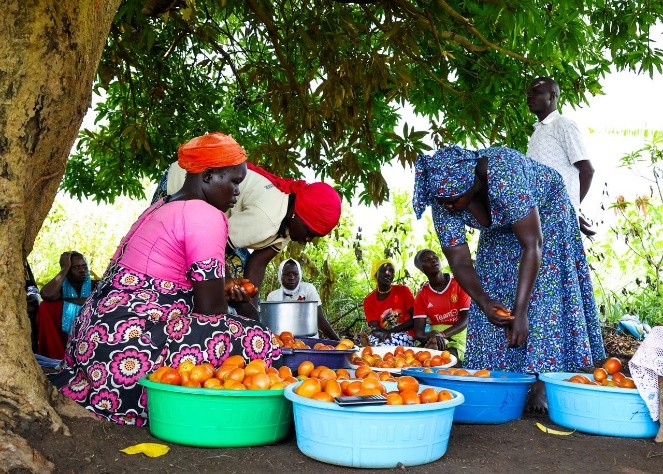
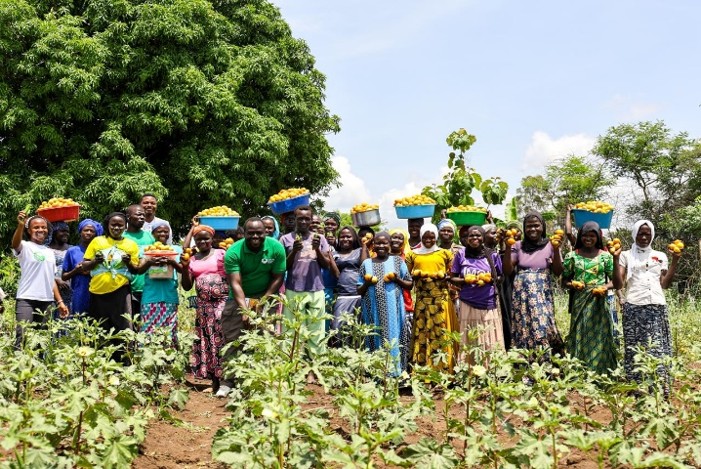
After a guided enterprise selection process, the group selected tomato production despite traditional beliefs that discouraged women from vegetable farming. What started as fear gradually turned into confidence and action. The members received intensive training that simplified commercial agriculture. They learned the complete tomato production cycle through practical and step-by-step processes.
After three months, the quarter-acre demonstration garden yielded impressively, generating UGX 2,250,000. The group has since embraced a strong savings culture by setting aside a large portion of earnings to diversify into maize and tomato production for greater stability and year-round income. The young women express deep pride in their progress and acknowledge that the intervention has not only equipped them with agricultural knowledge but changed their mindset. “We joined to gain knowledge that helps us farm as a business, generate income and ensure steady food supply for our families, learn from each other, and grow together as a group,”.Arafa Rasul Group Chairperson notes. This new mindset has changed how they view their roles and support each other.
Through the access to training and resources, Pamule Young Women Group are transitioning effectively into the world of work, challenging gender norms, and building sustainable livelihoods demonstrating far reaching impact of SIYEP Program in empowering young women. Their success is contributing meaningfully to Pamule community’s food security by boosting local production of tomatoes, enhancing nutrition and stimulating the local economy. As the group continues to expand and support one another, they are becoming an agent for broader agricultural transformation in their community.
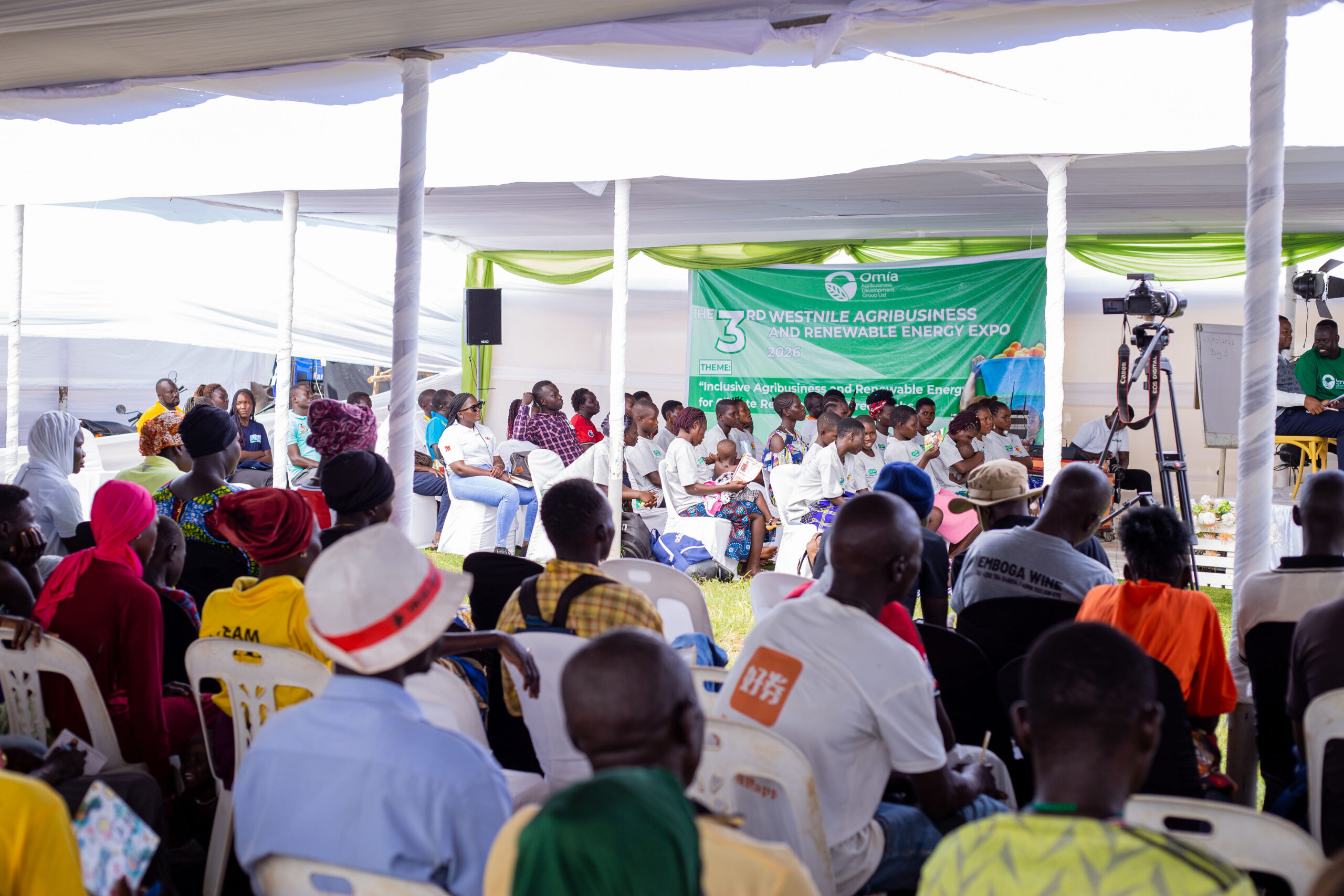 Expo training session
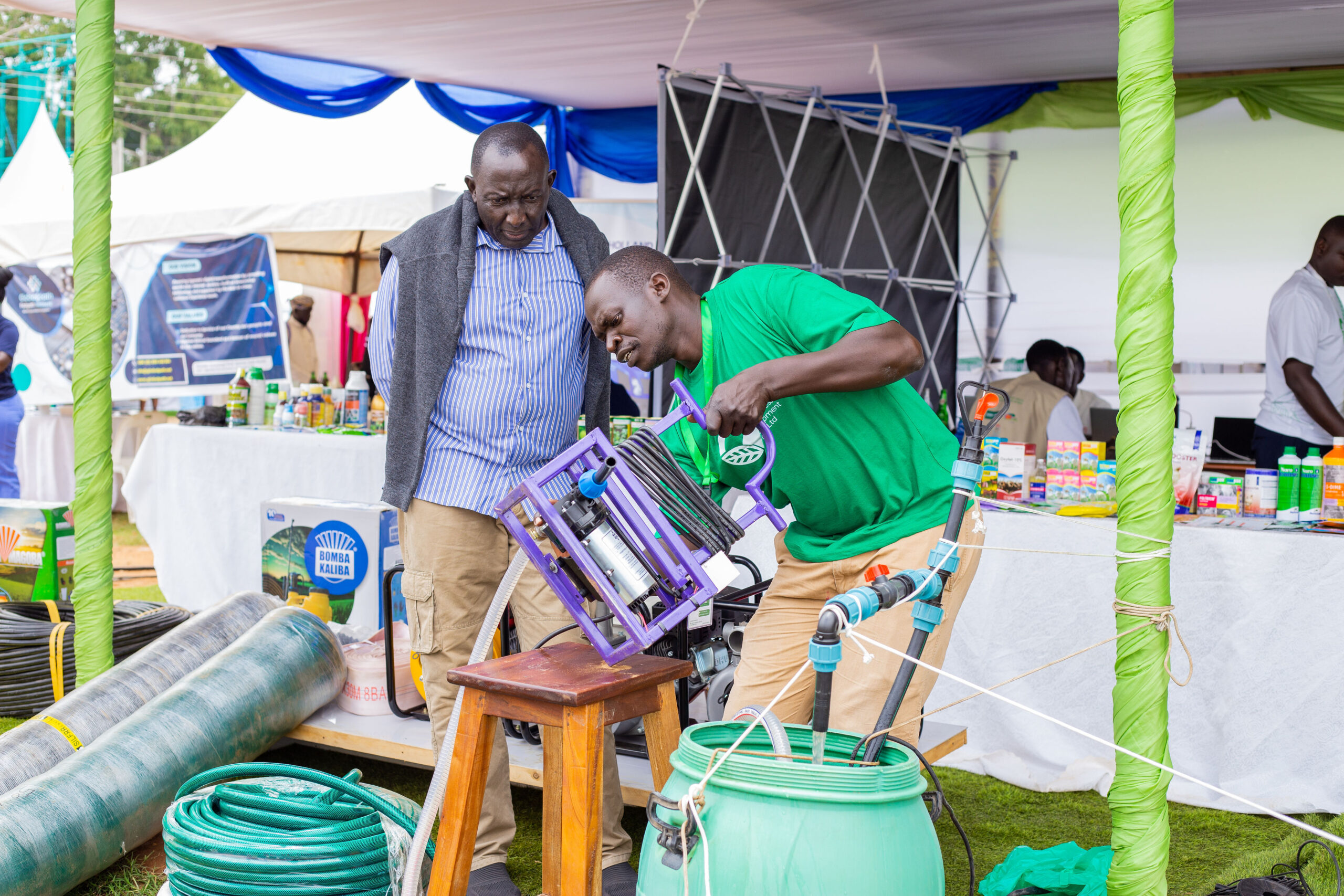 Irrigation technology demonstration
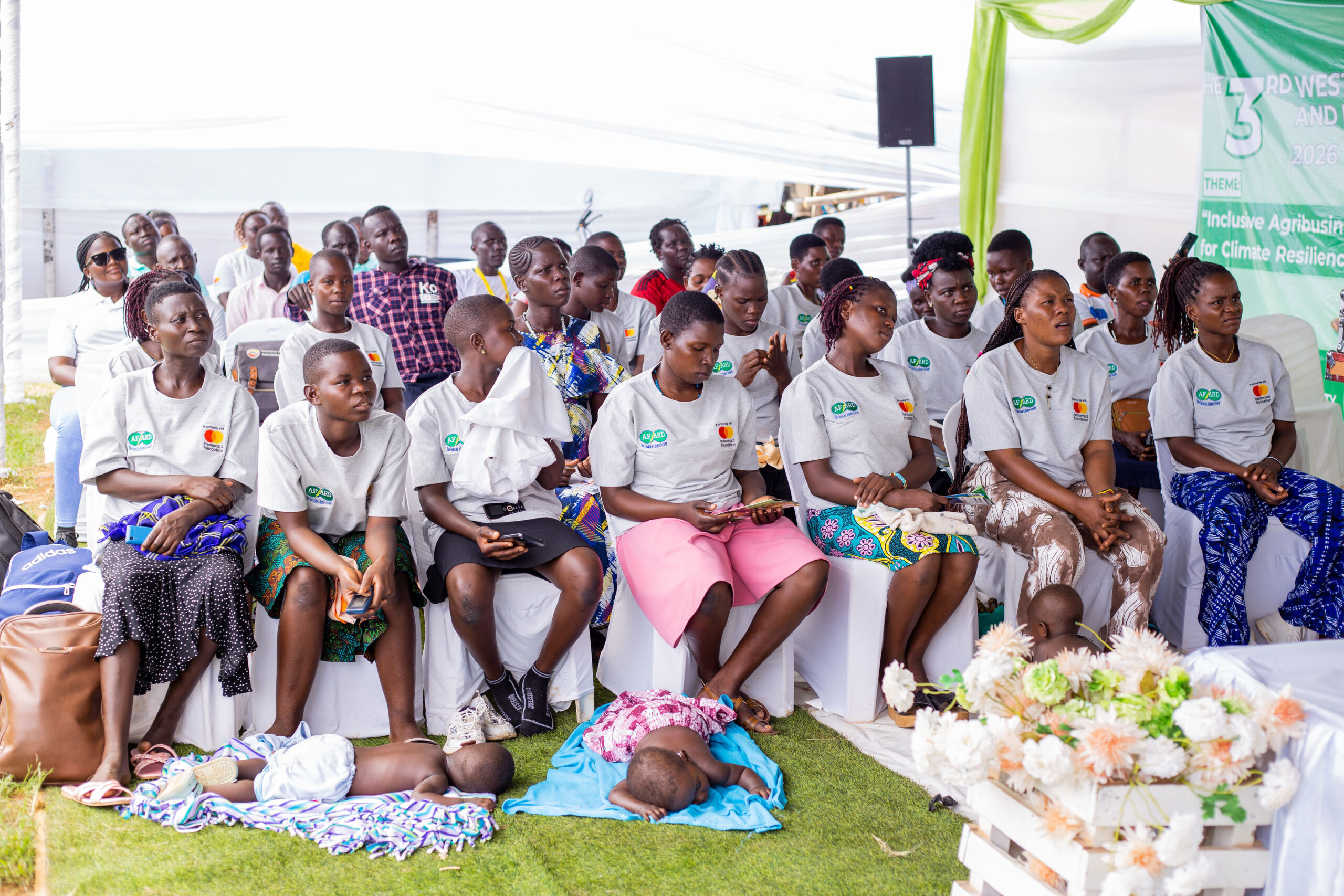 Young women at the Expo
The three days of the Expo did more than deliver training and knowledge they ignited ambition. The young women left with practical skills in vegetable farming, poultry rearing, soybean and maize production, renewable energy solutions for irrigation, and marketing for their produce. They discovered value addition opportunities and built relationships that will be sustained for future engagement.
